AesThiCo
AesThiCo
AesThiCo is a 36 month Erasmus+ Ka220 HED cooperation partnership in higher education. The project originated in the European Culture and Technology Lab (ECT Lab+), a research institute of the European University of Technology, and funded under the Erasmus+ Programme of the European Union.
The project begins with the understanding that radical new transdisciplinary approaches are needed if technological education is to meet the challenges of the 21st century, with its entangled problems of climate crisis and complex relation to technology and innovation.
For more info: https://aesthico.eu/
We believe that teaching an Aesthetics of Care has the potential to provide students with the transformative set of skills and competencies necessary to redefine aspects of sustainable technological development.
An aesthetics of care in this sense means that concrete ways of caring for each other, for human societies, and for the environment are encoded in how we design, build, interact with, employ, or aestheticise technology, so that future technologists have concrete ethical frameworks to work with. Aesthetics of care in this context is understood as a form of praxis, an individual practice that has collective implications, permeating all social, economic and technical relationships in the anthropocene.
The intellectual work of AesThiCo was structured into four project results (PRs), each PR’s team worked to produce a number of discrete intellectual and practical outcomes; seminars, workshops, exhibitions, hackathons, conferences,and academic texts which collectively contributed to the project goals.
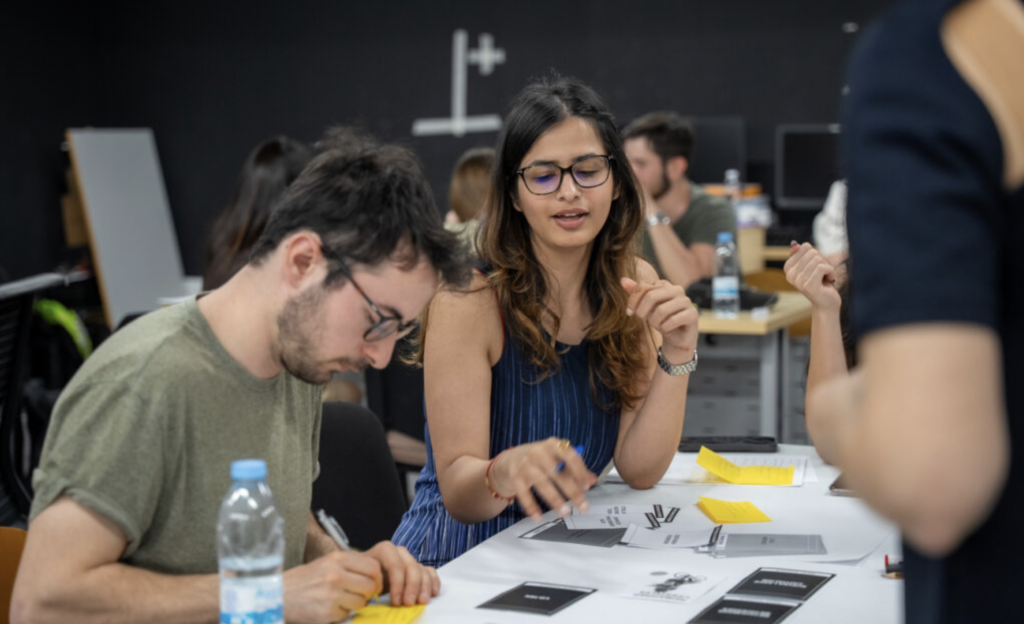
PR1: Mapping Aesthetics in Technological Education (Leader TU Dublin)
The first Project Result (PR1) set out to produce a systematic mapping and inventory of the role of aesthetics in technological project-based education, to summarise this complex information in meaningful and accessible ways in an online resource. With this knowledge base will acting as open resource to inform thinking on the connection between design of technological artefacts and processes and sustainability, and provide evidence of why an enhanced aesthetics is necessary in technological education. This PR’s findings input into all subsequent work packages.
THE TASKS OF THE PR WERE:
To develop a state-of-the-art bibliography and literature review.
To Identify, inventory current aesthetics methods and practice in technological education.
To develop a definition of an Aesthetics of Care with Ecology in relation to design education.
To develop a midpoint seminar/webinar to discuss and summarise the results of the research so far, to reflect on findings and connect stakeholders to the research.
Present the process and findings of the project through an online resource.
PR2: Circular Economies of Design (Leader TU Sofia)
This Project Result proposes that an aesthetics of care in technological education is necessary to inculcate the principles of the circular economy (contributory economy): replacing obsolescence with restoration; privileging of repairability, and advocating for the right to repair and building local community-based repair capacity; reduction of waste through superior design; into technological education. (See Ellen MacArthur Foundation towards the Circular Economy, EU Action Plan for the Circular Economy, UN Sustainable Development Goals).
This PR develops the theoretical and historical positions mapped in PR1, taking the working definition of an aesthetics of care and testing them against real world scenarios. Aesthetics of care is understood as a praxis that offers new ways of understanding and addressing the familiar wicked problems of climate crisis as it impacts on all aspects of everyday life. PR2 set out to concretise the understanding of an aesthetics of care into transdisciplinary scenarios that can be transferred into curricula.
THE TASKS OF THE PR WERE:
Developing a series of seminars on the circular economy.
Analysing the role of the UN’s Sustainable Development Goals (2015) and the EU’s Action Plan for the Circular Ecoonomy (2020) in developing Corporate Social Responsibility (CSR) initiatives (Elalfy et al., 2020) with regard to circular models of responsible production and consumption and their implications in technological education.
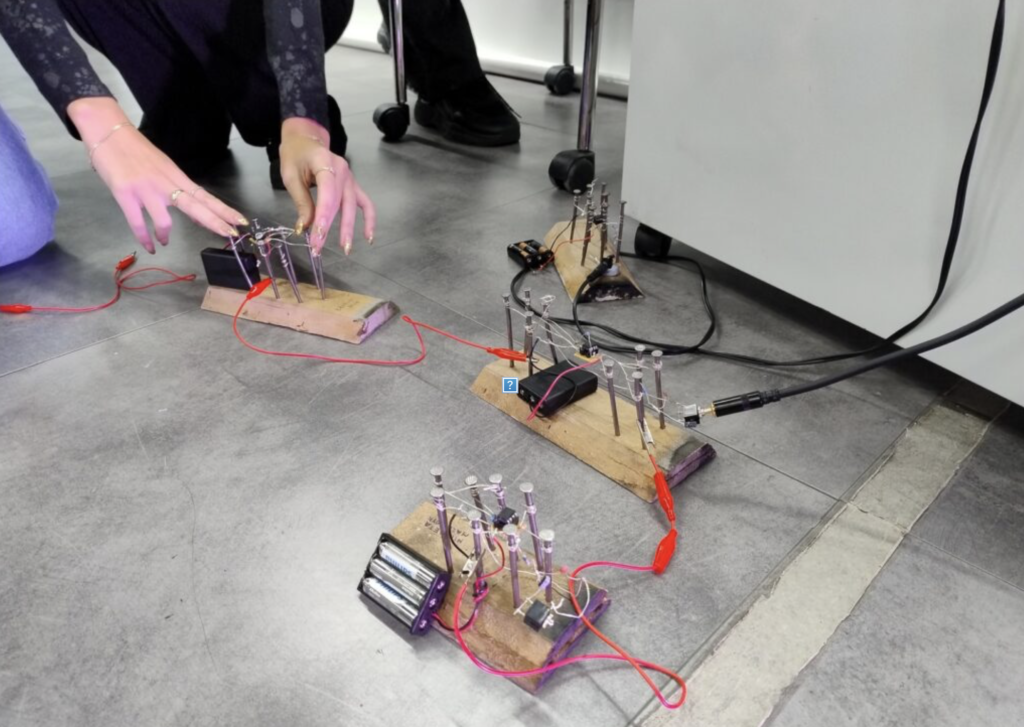
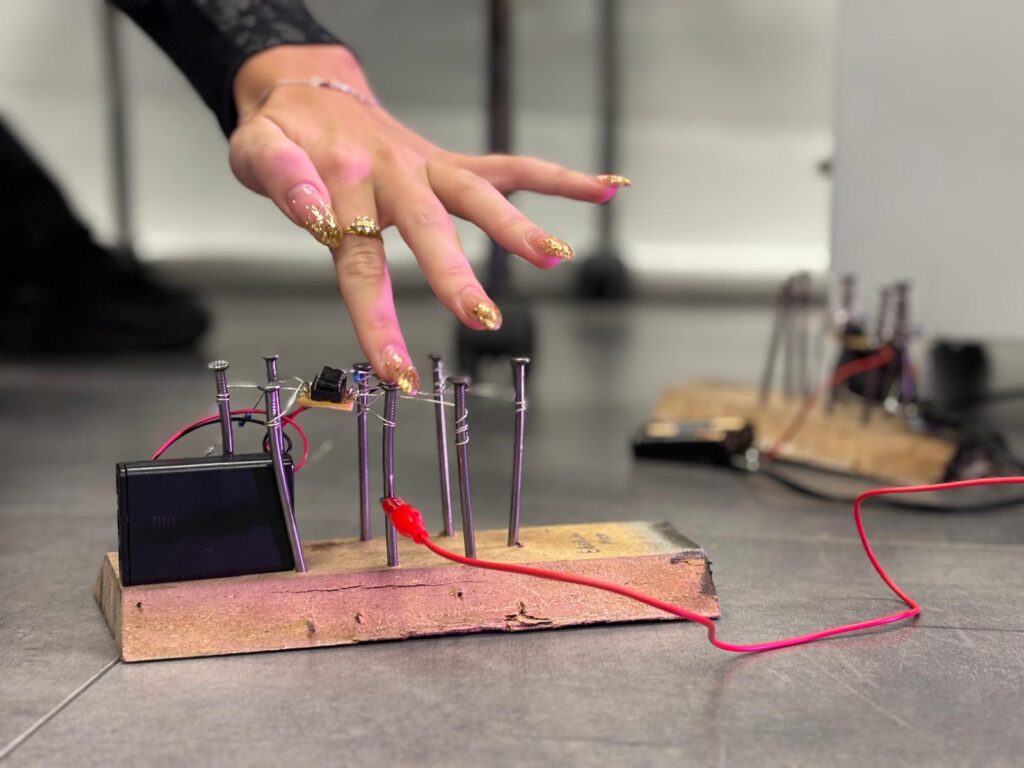
Design of a repair hackathon and a re-use workshop to be later tested in the Teacher Programme and incorporated into the Student Programme
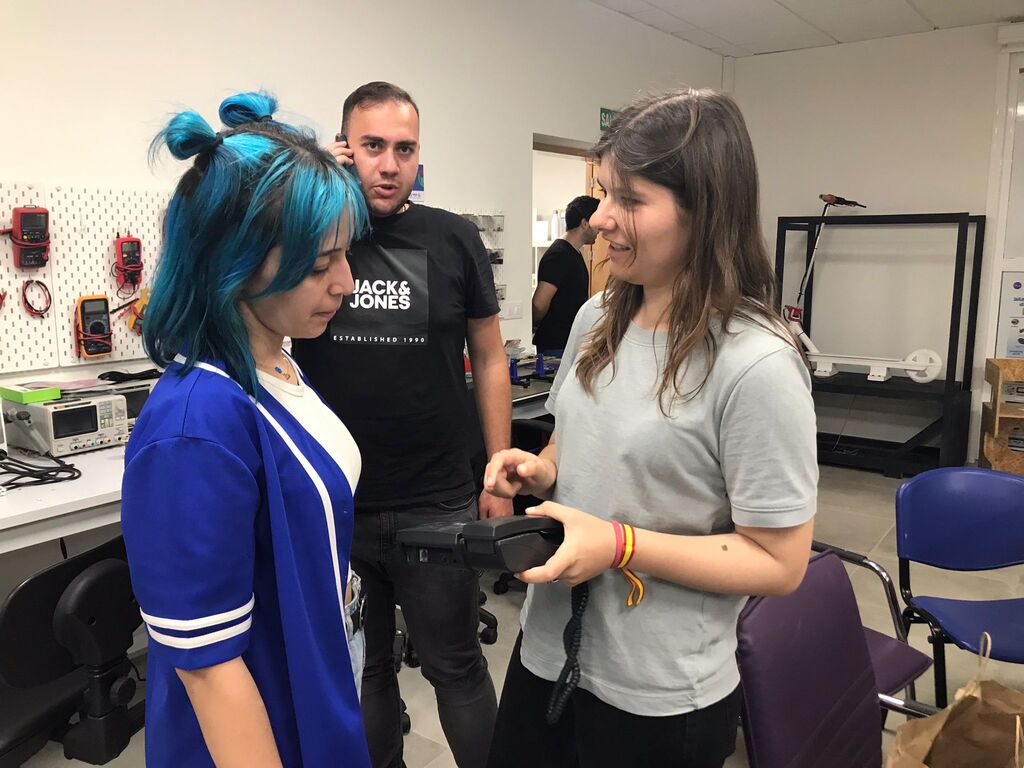
The Hackathon and re-use workshop were developed by PR2 in conjuction with PR3 and formed part of the first Intensive Study Programme held in Cartagena in May 2023. In this context the act of repair acts as reversing of the design process bringing together product designers, engineers and new media artists in an act of aesthetic care and that illuminates the long tail of design decisions. Design of a re-use workshop pivoting on ways to creative re-use obsolete artefacts, technologies, algorithms, and processes. Feedback from its testing fed back into further refinement of the workshop for the Student Programme. The hackathon developed methods for understanding the ecological and ethical dimensions of design decisions through the repurposing of obsolete technologies in collaborative art-design-engineering workshops.
PR3: Teacher Training Module (Leader Cyprus University of Technology)
This Project Result prepares teachers to teach an aesthetics of care framework to a heterogeneous group of participants within a technological education context. The primary function of the teacher programme was to bring the twin approaches of theoretical work in PR1 and the practice focus of PR2 into a programme that can be taught in a technological education context. This entails building transdisciplinary knowledge and capability through the development and testing of appropriate methods, and their integration into a programme that incorporates an aesthetics of care as key element in building sustainability into technological education.
The pedagogical approach privileged a student-centered approach, enabling the participants to bring their experience and disciplinary knowledge to the integration of ethical and ecological values into their practice and curriculum design. Informed by transdisciplinary methods developed by the Erasmus+ KA203 project RASL, in which TU Dublin is a partner, and the TU Dublin led EthiCo KA203, which is exploring questions of ethics and technology, the work package also drew on well-established methods in contemporary learning sciences and media art.
THE TASKS OF THE PR WERE:
Develop an Aesthetics of Care Transdisciplinary Teacher Programme.
Implementation of the Teacher Programme Intensive Study Programme for testing the Teacher Programme
Design and implement structured evaluation of the programme during the first intensive study event in Cartegena
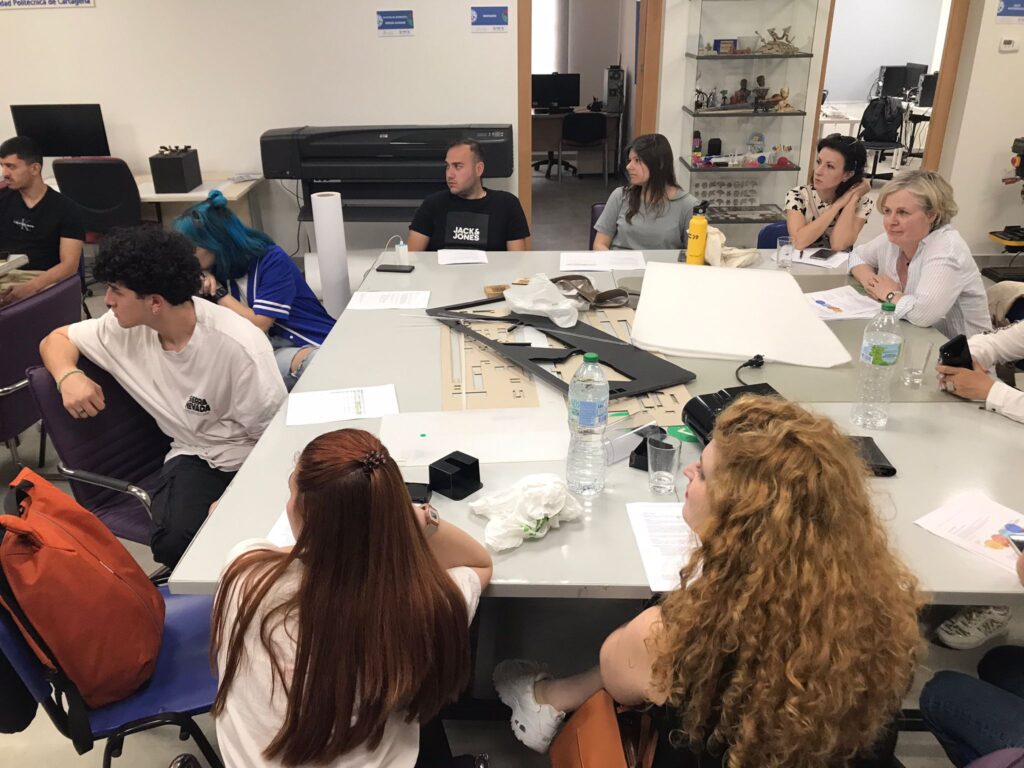
The Teacher Training Module was developed by PR3 with early versions tested in the real-world scenarios of the Cartagena Intensive Study Programme. The structured feedback received from participants helped fine tune the programme’s development, and provided crucial input to the development of the Student Module in PR4.
The Aesthico Teacher Training Module aims to introduce teachers to current ideas of aesthetics, care, relationality and sustainability in the Anthropocene era, as coalescing in the notion of an aesthetics of care. The framework will provide teachers with a variety of theoretical and practical resources that will direct them to successfully embed the module within their curriculum.
PR4: Student Programme (Leader Technical University Cluj-Napoca)
This Project Result proposes that Teaching an Aesthetics of Care with Ecology in Technological Education requires a radical transdisciplinary shift in teaching between the arts, humanities and sciences in order to provide students with the transformative set of skills and competences needed to redefine sustainable technological development for the 21st century and to prepare them for new sustainable economy. In the discussion on the qualification content required of university graduates in the future, studies and reports show that companies are recognising an increasing need for qualifications that go beyond disciplinary expertise.
THE TASKS OF THE PR WERE:
Developing a Student programme to be implemented and tested at the second Intensive Study Programme in Limassol.
Design of a testing process and evaluation of the feedback.
Preparation of the final version of the Student programme.
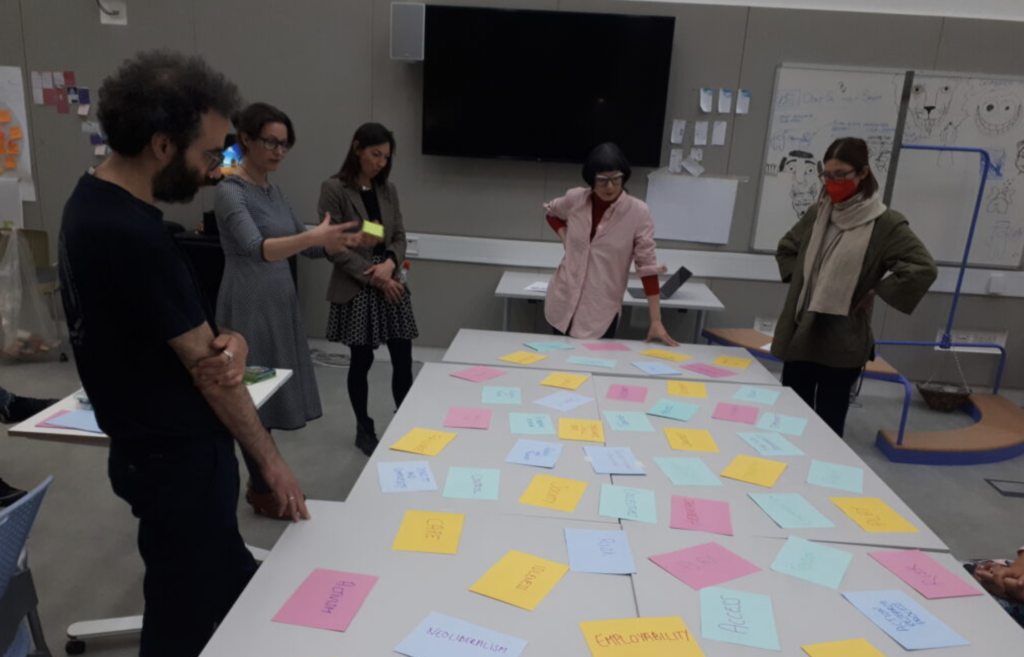
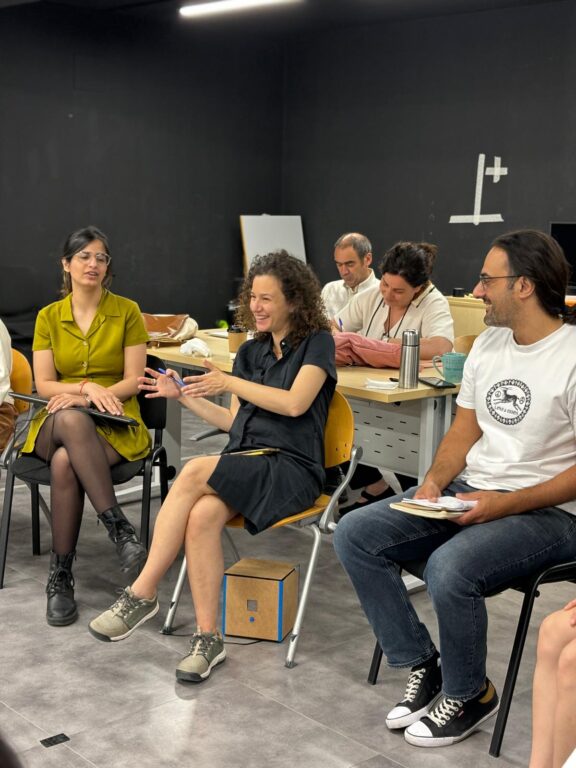
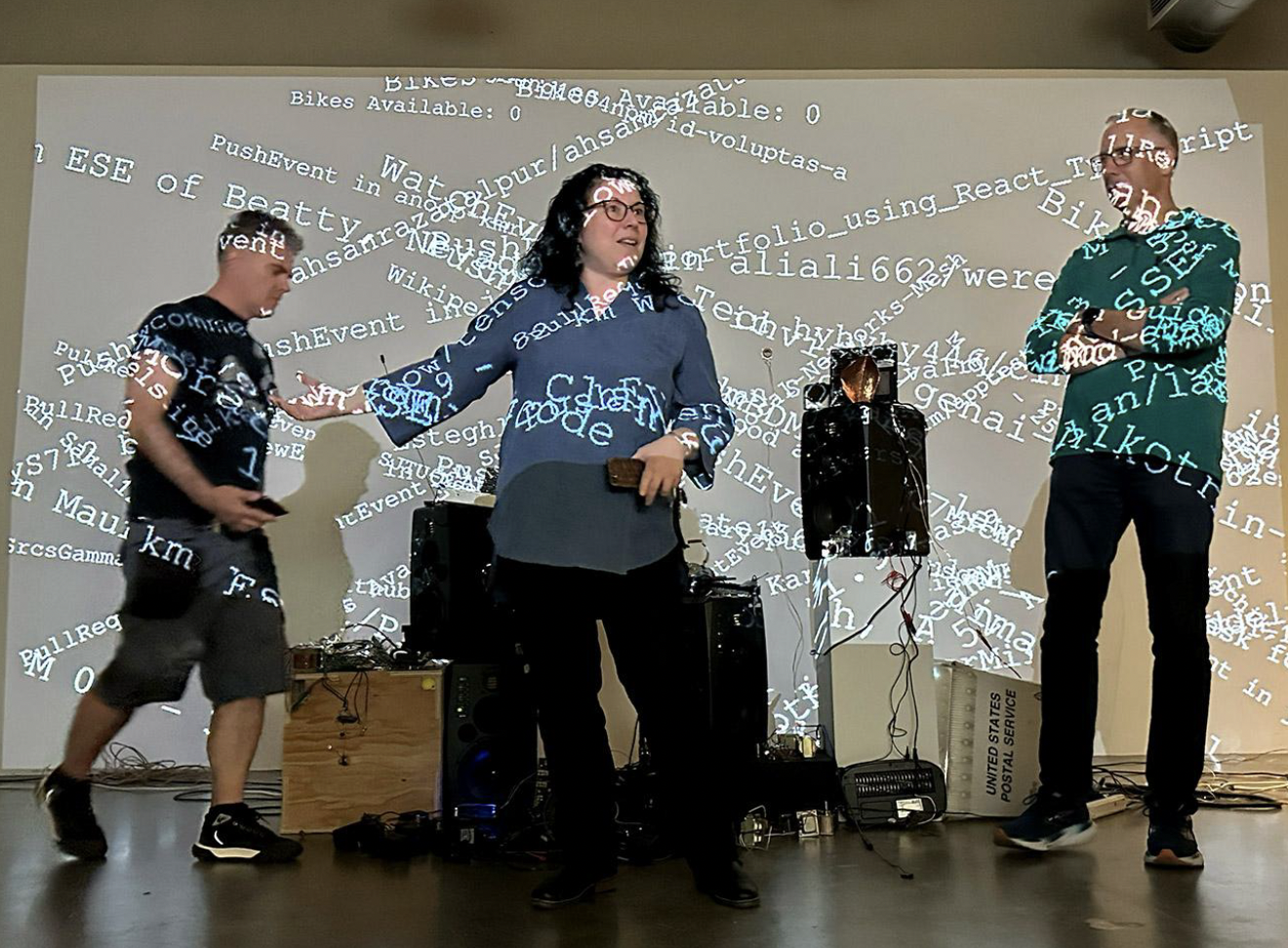
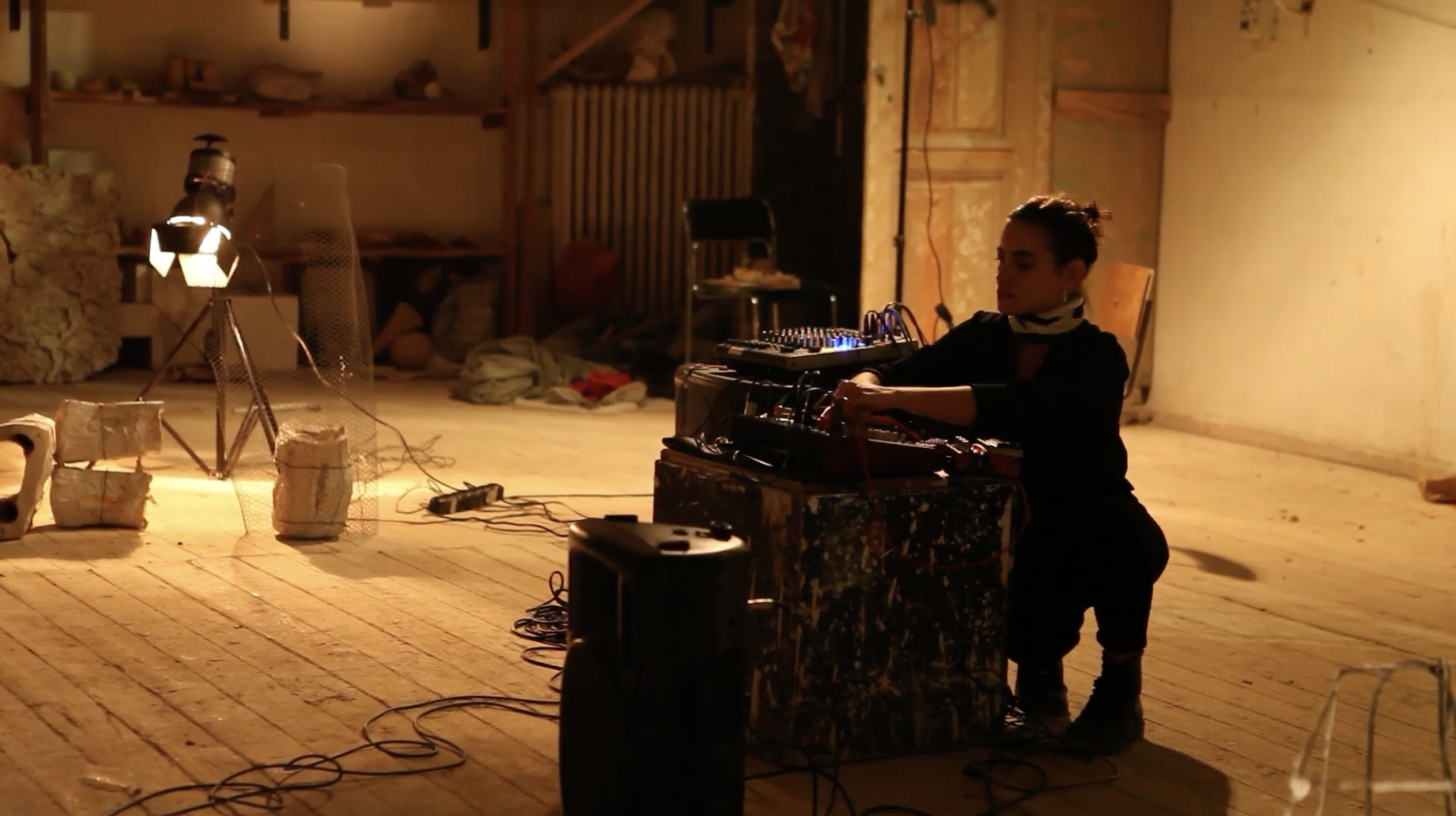
The Second Intensive Study Programme took place over three days in Limassol in April 2024 organised and hosting by Cyprus University of Technology. The Student Programme developed by PR4 and built on the work done by PR2 and PR3 and the experience of ISP 1 and analysis of the feedback from these events. The programme brought together a diverse group of students from the consortium. The programme included a repair hackathon and re-use sound workshop led by Dimitris Savva and Teresa Georgallis (CUT) and hosted by the Media Art and Design Lab (MADLab), and an exhibition and performances of student artwork.
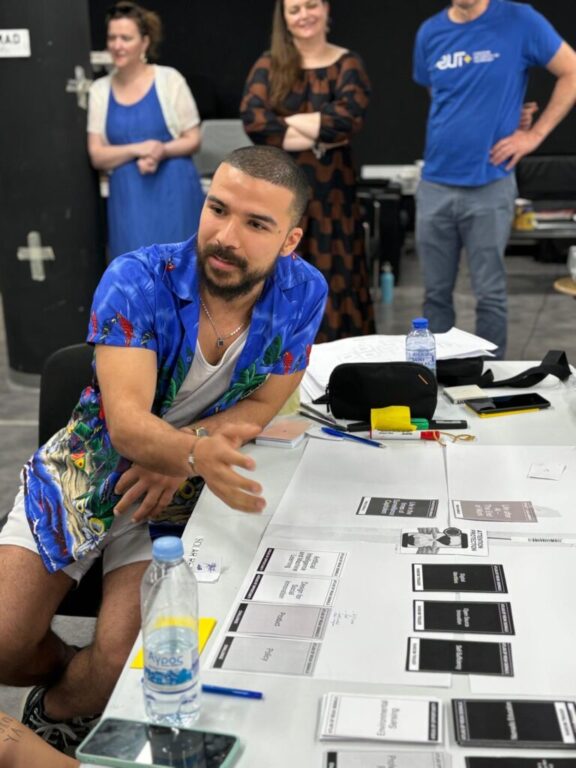
Participants joined in three interactive game workshops exploring the different aspects of care aesthetics and its relationship to technological education with the games Atlas of Weak Signals, Revolt, and In the Loop. Each game session incorporated feedback from previous sessions and included structured feedback and round table discussion.
Related Projects
EpisTeaM
Toolkit of Care